
Converting Window into the Door
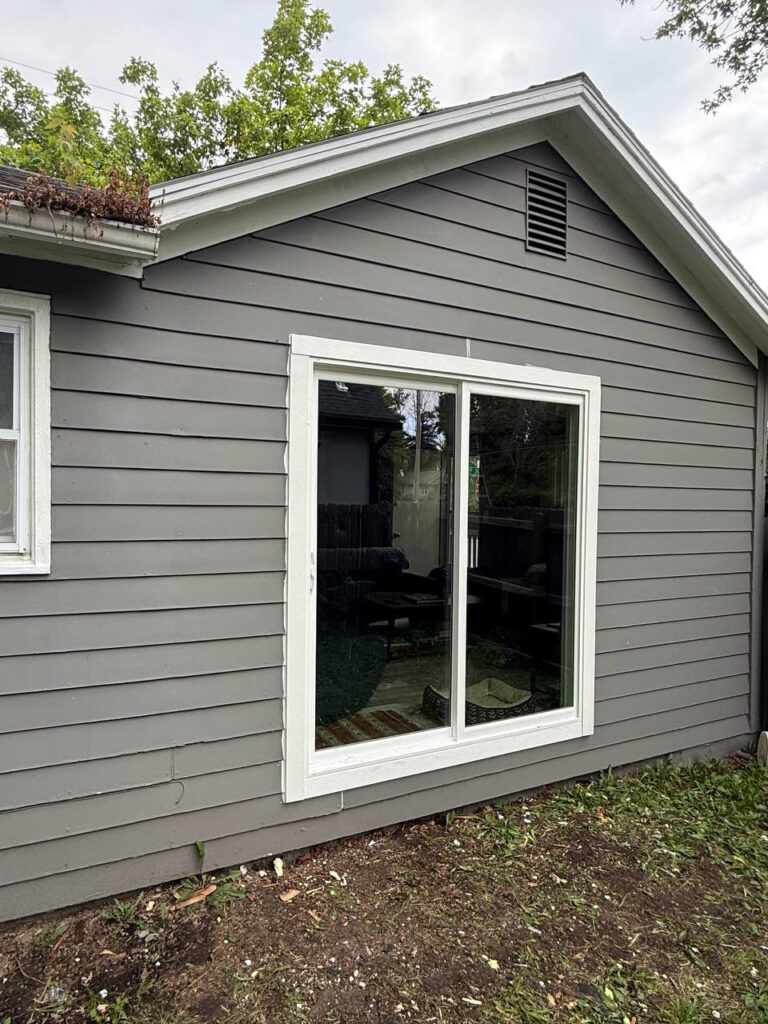
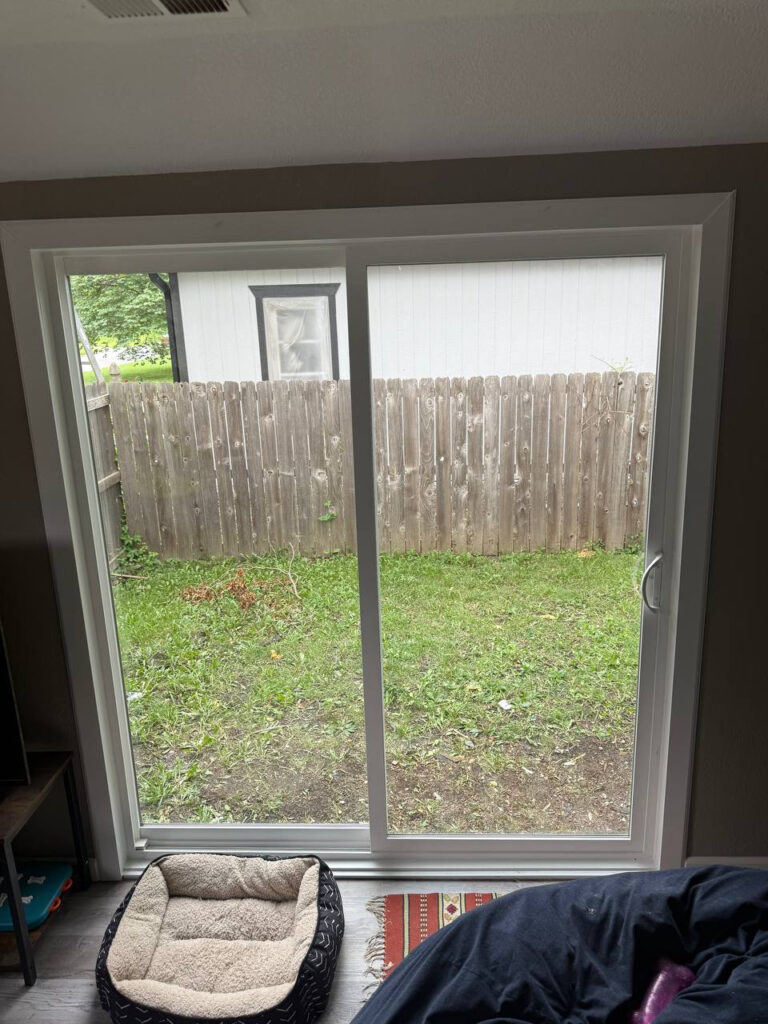
Converting a Window into a Door: What Kansas City Homeowners Should Know
Homeowners in the Kansas City metro area sometimes find that a fixed window limits access to outdoor spaces or does not bring enough natural light into a room. Converting a window to a full‑sized exterior door or patio door is a service now offered by Star Windows Solutions. This type of renovation creates a smoother connection between interior and exterior living areas, but it is more complex than a simple window replacement.
Understanding the Scope of the Project
Converting a window into a door generally involves more work than just swapping a window for a door frame. The existing window opening might be too small or not properly supported to accommodate a door, so the opening often has to be widened and new framing installed. If the window is larger than the proposed door, portions of the exterior siding or stucco may need to be patched.
The project also requires looking at the area inside the wall. There may be electrical wiring, outlets or plumbing where the new doorway will go. Moving electrical or plumbing lines adds complexity and may require licensed trades. Projects involving utilities or enlarging the opening typically require a building permit. This is important in Kansas City because the municipal code exempts building permits only for replacing windows and doors in existing openings. Altering the structure by cutting into a wall to create a new door opening is a structural change and therefore requires permitting and inspection.
Permits and Professional Assistance
Most window‑to‑door conversions involve structural work and thus require a building permit. Obtaining the appropriate permit ensures the work meets safety codes and maintains home insurance coverage. A U.S. company specializing in these projects states that obtaining a permit is essential because structural changes are involved, and the permit process helps guarantee compliance with local building codes.
Navigating Kansas City’s permitting requirements can be complex. Star Windows Solutions will advise homeowners to check with city planning officials or rely on a licensed contractor who understands local code. Although some repair work is exempt, anything that modifies structural elements of a building is not. An experienced contractor will prepare the necessary documents, obtain the permit, and ensure inspections are scheduled at the right stages.
Because of the structural and safety implications, this project should not be approached as a do‑it‑yourself job. Experts caution that window‑to‑door conversions involve complex tasks such as rerouting electrical wires and reinforcing the wall. Hiring professionals ensures that structural loads are properly calculated and that the new header, trimmers and framing around the opening are built to code, protecting the long‑term integrity of the home.
Selecting the Right Door
There are several door types to choose from, and your selection will influence the extent of construction work. Considering your door options early is important because the door size and configuration dictate how much you must modify the opening.
-
Single‑panel hinged patio door. This is often the simplest option for fitting into an existing window’s rough opening because a single door panel can be narrower than a standard window.
-
French (hinged) patio doors. These two‑panel doors provide a wide opening and elegant appearance, but you need enough wall space for the panels to swing inward or outward.
-
Sliding patio doors. For tight spaces where swinging doors will not work, sliding doors offer two large panels of glass that move along a track, saving floor space.
-
Multi‑panel or folding doors. Larger conversions can create an expansive wall of glass, like folding outswing doors, but these require removing a substantial section of wall and significantly increase cost and structural work.
When measuring for a new door, take a rough measurement of your existing window to understand the approximate size needed. However, ordering a door requires precise measurements because the rough opening will likely be adjusted by a professional.
What to Expect During the Conversion
A typical conversion project follows four broad steps:
-
Window removal. The existing window, including its frame, glass and trim, is carefully removed. Proper removal prevents unnecessary damage to surrounding stucco, siding or drywall.
-
Preparing the opening. The wall is modified to fit the new door’s dimensions. This may involve cutting through stucco or brick, installing a new header to support the load above, and reinforcing wall studs. Any electrical wiring or plumbing in the wall must be rerouted at this stage. Weather‑resistant flashing tape will be applied around the rough opening to prevent moisture intrusion.
-
Door and frame installation. The door frame is secured in place, shimmed, and fastened to ensure it is square and plumb. Foam insulation or backer rod is inserted between the frame and wall to seal gaps, and Z‑flashing is installed between the door and exterior siding or stucco to channel water away from the opening.
-
Finishing touches. Interior and exterior trim are installed, and all gaps are caulked. In some cases, replacing interior trim is necessary and may incur additional cost. Exterior surfaces are patched and finished to match the existing siding or stucco.
Depending on the complexity of the project and weather conditions, converting a window to a door may be completed in a day or two. However, larger openings or complications like moving utilities can extend the timeline. Professional contractors provide a detailed schedule and coordinate any subcontractors (electricians, plumbers, stucco specialists) if needed.
Benefits of Converting a Window into a Door
Replacing a window with a door can dramatically improve how you use your home:
-
Enhanced indoor‑outdoor flow. A door facilitates access to decks, patios and gardens, turning previously underused spaces into extensions of your living area.
-
More natural light. Large door panels, especially those with full glass, introduce abundant sunlight. This can make rooms feel larger and brighter.
-
Improved ventilation. A functioning door allows fresh air to circulate more effectively than a fixed window.
-
Better access and safety. Installing a door with a threshold at floor level can provide safer egress in case of emergencies and improve accessibility for people with mobility challenges.
-
Increased property value. High‑quality patio doors can enhance curb appeal and may raise a home’s resale value.
-
Customization and energy efficiency. Modern doors come in a variety of styles and materials, including energy‑efficient glazing options that can improve insulation and reduce energy costs.
Why Choose Star Windows Solutions?
Star Windows Solutions offers end‑to‑end project management for window‑to‑door conversions in the Kansas City metro area. Our service includes obtaining permits, modifying the opening, installing weather flashing tape and Z‑flashing, insulating around the new door, and finishing the interior and exterior surfaces. We also coordinate with trusted stucco repair professionals if stucco is affected during construction.
If you’re considering transforming a window into a door, we encourage you to consult with our experts. They will evaluate your existing structure, discuss design options, and provide a comprehensive estimate so you can enjoy seamless access to the outdoors with confidence that the work complies with local building codes and is built to last.