
Standardized window replacements are factory-built windows sized to fit common residential rough openings, and they deliver measurable gains in energy efficiency, comfort, and home value without the cost or wait time of custom orders. The benefits of standardized window replacements are well documented: double-pane low-E glass with argon gas fill is the baseline spec for most stock windows today, and proper installation under AAMA 2400 and ASTM E2112 standards is what separates a high-performing upgrade from a mediocre one. For homeowners and property managers in markets like Kansas City, these windows represent the most practical path to a better-performing home envelope. Star-ws handles this work daily, and the results speak for themselves.
1. Benefits of standardized window replacements: energy savings you can measure
Energy efficiency is the most cited reason homeowners replace windows, and the numbers support the decision. Standard double-pane low-E windows with argon gas fill reduce heat transfer significantly compared to single-pane or older double-pane units without coatings. For a typical 1,800-square-foot home, annual utility savings land in the range of $126 to $465 depending on climate, existing window condition, and heating fuel type. That range is wide, but even the low end adds up over a decade.
Upgrading to triple-pane glass improves U-factors by 35–40% over standard double-pane, though each window costs $200 to $400 more. That premium makes sense in extreme climates but is harder to justify in moderate regions. The ENERGY STAR program and the National Fenestration Rating Council (NFRC) both publish performance ratings that let you compare products on a level playing field before you buy.
Pro Tip: Check the NFRC label on any window you consider. The U-factor measures heat loss; the lower the number, the better the insulation. A U-factor of 0.30 or below is a solid target for most American climates.
2. How standardized windows improve home comfort
Comfort is the benefit most homeowners notice first, and it shows up before the next utility bill arrives. Drafts disappear when new weatherstripping and insulated frames seal the rough opening properly. Your HVAC system runs less often because it is no longer fighting cold air seeping through failed glazing seals or warped frames.
Noise reduction is a real and underappreciated gain. Multi-pane laminated glass dampens street noise, traffic, and wind in ways that single-pane windows simply cannot. Homeowners near busy roads or in urban neighborhoods often report this as the most noticeable change after installation. Thermal stability also improves: rooms that once ran cold in winter or hot in summer even out because the window is no longer acting as a heat sink or a solar oven.
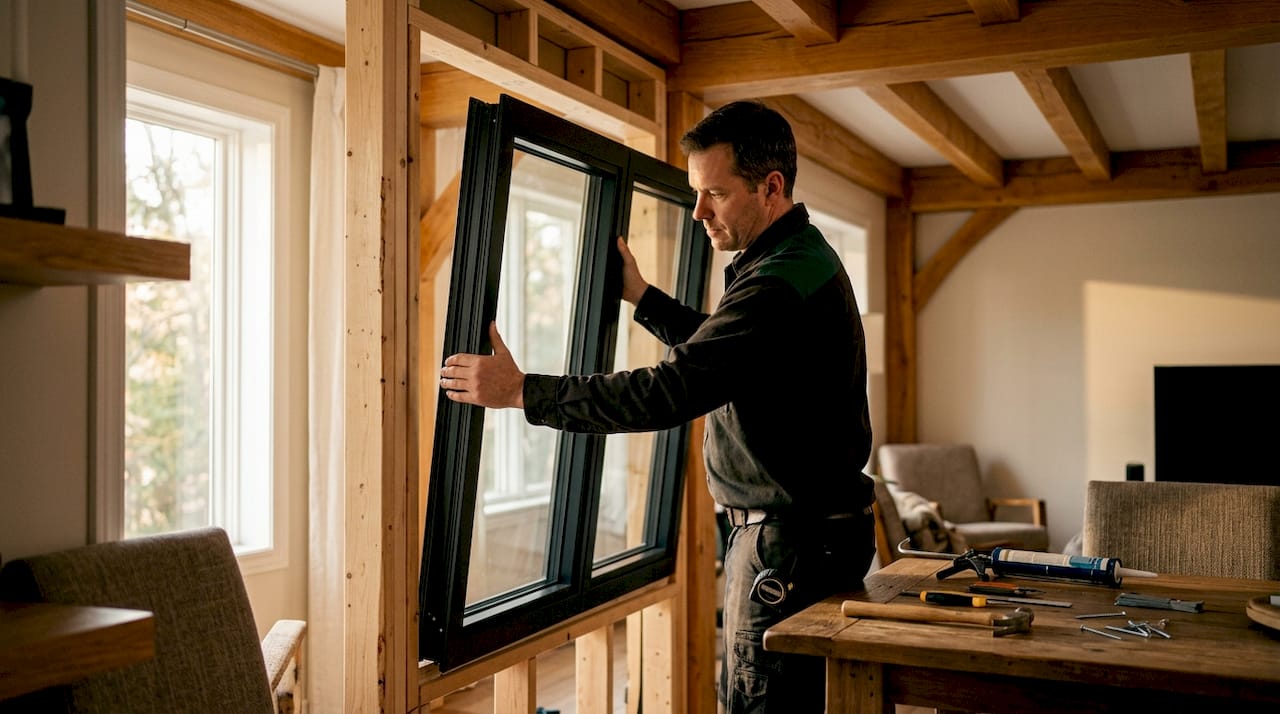
Professional installation is what locks in these comfort gains. Poor flashing and air barrier integration can increase air infiltration beyond what the window’s own specs predict, meaning a well-rated product still underperforms if the installer cuts corners.
3. Cost savings and project efficiency
Standardized stock windows cost less than custom units because they are manufactured at scale and held in inventory. Lead times for stock windows are typically days rather than the weeks or months required for custom orders. That speed matters when you are managing a rental property or trying to complete a project before winter.
Whole-home replacement projects typically run 2 to 4 days for 15 to 20 windows when a professional crew follows AAMA 2400/2410 and ASTM E2112 standards. Each window takes roughly half a day to install correctly. Completing all windows in one project also reduces labor costs compared to replacing windows one at a time over several years.
Key cost advantages of standardized windows:
- Lower unit price compared to custom-sized or architecturally unique windows
- Faster procurement from distributor stock, reducing project delays
- Consolidated labor when replacing multiple windows in a single visit
- Predictable sizing that fits standard rough openings without structural modification
- Wider contractor availability because any qualified installer knows standard specs
Standardized stock windows suit modern homes with uniform, builder-grade openings best. Older homes with non-standard rough openings or unique architectural features may need custom sizing, which adds cost and time. Knowing which category your home falls into before you get quotes saves frustration.
4. Curb appeal and home resale value
Updated windows change how a house looks from the street immediately. Uniform frames, consistent sightlines, and clean profiles replace the mismatched look that builds up when windows are replaced piecemeal over decades. That visual consistency matters to buyers and appraisers alike.
Vinyl window replacements return over 73% of their cost at resale, making them one of the stronger home improvement investments by that measure. The return is not just financial. Buyers perceive well-maintained windows as a signal that the rest of the home has been cared for. Worn, foggy, or visibly damaged windows send the opposite message.
“Buyers notice windows. Fogged glass, peeling frames, and sticking sashes tell a story about deferred maintenance that affects offers before an inspector ever sets foot inside.”
Low-maintenance vinyl and fiberglass frames hold their appearance over time without painting or staining. That long-term appearance stability is a genuine advantage for property managers who need to control ongoing maintenance costs across multiple units. You can learn more about vinyl window advantages before committing to a material.
5. Installation standards that protect your investment
The window itself is only part of the equation. AAMA 2400/2410 and ASTM E2112 compliance during installation determines whether that window performs as rated for its full service life. These standards cover flashing, fastener placement, air sealing, and integration with the home’s water-resistive barrier.
Two installation details fail more often than any others:
- Pan flashing at the sill must slope outward and turn up the sides to direct water away from the rough opening. Skipping or misapplying pan flashing is the leading cause of water intrusion behind window frames.
- Low-expansion foam must be used for insulation rather than standard expanding foam. Standard foam expands with enough force to bow the frame, which compromises the seal and the window’s operation.
Pro Tip: Ask your installer which foam product they use and whether they install pan flashing before the window goes in. A contractor who cannot answer both questions clearly is a contractor worth reconsidering.
Regional codes add another layer. Hurricane-prone areas require specific anchor density and embedment depths that go beyond standard residential specs. Even in the Kansas City area, local code requirements affect fastener schedules and flashing details. A qualified installer knows these requirements without being asked.
6. Insert vs. full-frame replacement: which approach is right for you
Insert replacement windows drop into the existing frame, leaving the exterior casing and sill in place. Full-frame replacements remove everything down to the rough opening and rebuild from scratch. The right choice depends on the condition of your existing frames.
Insert windows can mask rot and insulation problems that exist in the old frame. If the frame is sound, inserts are faster and less disruptive. If there is any rot, moisture damage, or failed insulation in the existing frame, a full-frame replacement is the correct call. Installing an insert over a rotted frame is a short-term fix that creates a long-term problem.
Full-frame replacements also allow proper integration with the home’s water-resistive barrier, which is the layer of protection behind your siding. That integration is what makes a window replacement a true envelope upgrade rather than just a glass swap. Star-ws offers window frame rot repair as part of its replacement process, so underlying damage gets addressed before the new window goes in.
7. When standardized windows are the right choice vs. custom
Standardized windows work best in homes built after roughly 1980, where rough openings were framed to common industry dimensions. Builder-grade tract homes, condominiums, and most post-war construction fall into this category. The windows are available quickly, priced competitively, and supported by a wide installer network.
Custom windows become necessary when rough openings fall outside standard dimensions, when architectural details like arched tops or divided lights are part of the design, or when historic preservation requirements apply. Custom orders cost more and take longer, but they are the right tool for the right job. Forcing a standard window into a non-standard opening creates air gaps, aesthetic problems, and potential structural issues.
The practical test is simple: measure your rough opening and compare it to standard size charts. If your dimensions match a stock size within a quarter inch, standardized replacement is the efficient path. If they do not, custom sizing is worth the added investment. Star-ws can assess your openings and tell you which category applies before any money changes hands.
Key takeaways
Standardized window replacements deliver the strongest results when quality products meet professional installation that follows AAMA, ASTM, and NFRC standards from the first day of the project.
| Point | Details |
|---|---|
| Energy savings are real but variable | Annual savings range from $126 to $465 for a typical home, depending on climate and existing windows. |
| Comfort improvements arrive first | Draft elimination and noise reduction are noticeable before the next utility bill. |
| Installation quality drives performance | Proper pan flashing and low-expansion foam matter as much as the window’s own ratings. |
| Vinyl replacements return over 73% at resale | Uniform, well-maintained windows signal home care and improve buyer perception. |
| Insert vs. full-frame depends on frame condition | Rotted or damaged frames require full-frame replacement to avoid long-term moisture problems. |
Why I think homeowners underestimate the comfort side of window replacement
Most people approach window replacement as an energy bill problem. They want to see the payback period on a spreadsheet and decide from there. I understand that instinct, but it misses the bigger picture.
Window replacement is primarily a comfort and envelope upgrade. Attic insulation and air sealing typically offer five to ten times the energy ROI compared to windows. If your only goal is cutting the utility bill, start in the attic. But if your windows are drafty, noisy, difficult to operate, or showing signs of moisture damage, replacement solves problems that insulation never will.
The homeowners I see most satisfied with their investment are the ones who replaced windows because the old ones were failing, not because they expected a two-year payback. They get the energy savings as a bonus on top of a house that is quieter, more comfortable, and better protected against water intrusion. That is the realistic frame for this decision.
One more thing: installation quality is the most significant factor in whether a window replacement actually performs. A top-rated NFRC window installed without proper flashing will underperform a mid-grade window installed correctly. Spend as much time vetting your installer as you spend comparing window brands. Ask for references, ask about their flashing process, and ask whether they pull permits. Those questions separate professionals from shortcuts.
— Artem
Star-ws window replacement services in Kansas City
Star-ws specializes in residential and commercial window replacements across the Kansas City area, with every project following AAMA and ASTM installation standards. Whether you are replacing a single failed unit or upgrading an entire property, the process starts with a free estimate and a clear scope of work.
Star-ws handles the full range of replacement needs, from standard vinyl inserts to full-frame commercial replacements that integrate with the building’s water-resistive barrier. The team also addresses frame rot, hardware failures, and glass upgrades as part of the same project, so you are not left managing multiple contractors. Financing options are available, and every job comes with transparent pricing before work begins.
FAQ
What are the main benefits of standardized window replacements?
Standardized window replacements improve energy efficiency, reduce drafts and noise, lower utility costs by $126 to $465 annually for typical homes, and return over 73% of their cost at resale. They also install faster and cost less than custom options.
How long does a standardized window replacement project take?
A professional crew following AAMA 2400/2410 standards installs roughly one window every half day. A whole-home project of 15 to 20 windows typically completes in 2 to 4 days.
Should I choose insert or full-frame window replacement?
Choose insert replacement when existing frames are sound and undamaged. Choose full-frame replacement when frames show rot, moisture damage, or failed insulation, since insert windows installed over damaged frames create long-term water intrusion problems.
Do standardized windows work for older homes?
Standardized windows work best in homes built after roughly 1980 with common rough opening dimensions. Older homes with non-standard openings or historic architectural details often require custom sizing for a proper fit.
What installation details matter most for window performance?
Pan flashing at the sill and low-expansion foam insulation are the two most critical details. Skipping or misapplying either one leads to water intrusion, frame bowing, and air leaks that undermine the window’s rated performance.