
Preventive window maintenance is defined as a scheduled routine of cleaning, inspecting, lubricating, and making minor repairs to keep windows functioning at their best before problems develop. Most homeowners only think about their windows when something breaks. That reactive approach costs far more than a consistent care routine. With proper preventive window care, windows can last 25–40 years, and early problem detection turns a small fix into a long-term investment. This guide gives you a practical, expert-backed plan to protect your windows, cut energy costs, and avoid expensive surprises.
What is preventive window maintenance and why does it matter?
Preventive window maintenance is the practice of caring for your windows on a regular schedule rather than waiting for visible damage. The industry term for this approach is “planned preventive maintenance,” and it applies to windows just as it does to HVAC systems or roofing. The goal is to catch small problems before they become structural ones.
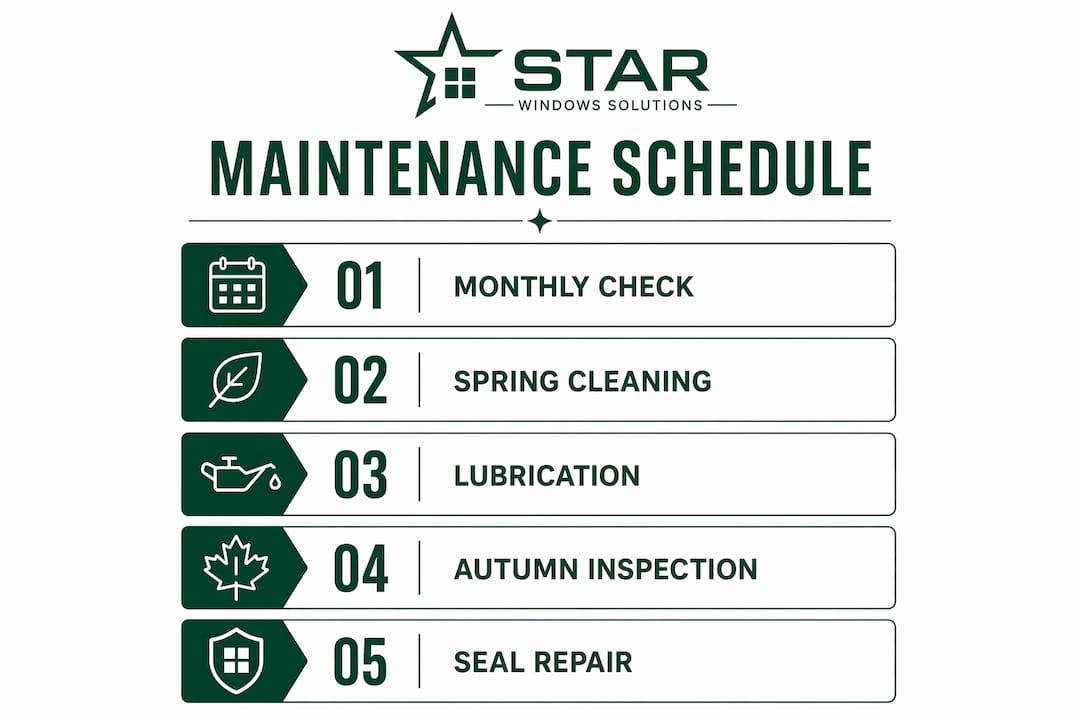
2026 industry standards recommend two full maintenance sessions per year, ideally in spring and autumn, plus monthly visual checks. That schedule exists because seasonal shifts in temperature and humidity put stress on seals, frames, and hardware. Skipping even one cycle lets minor wear compound into damage that costs significantly more to fix.
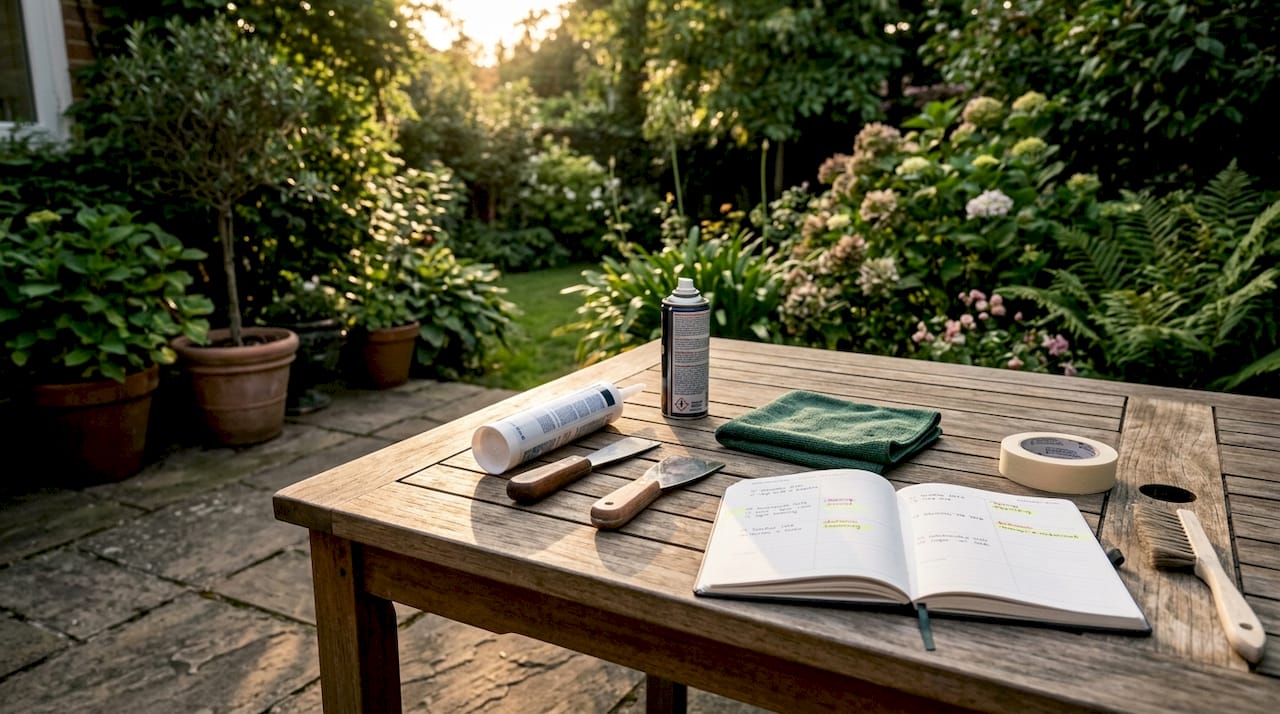
The financial case is clear. Fixing a failed seal costs roughly £15 when caught early. Left unaddressed, the same problem can escalate into structural frame damage costing upwards of £400. Preventive maintenance for windows is not just about aesthetics. It directly protects your budget and your home’s energy performance.
The five core tasks every maintenance routine needs
A complete preventive window care routine covers five specific tasks. Each one targets a different failure point, and skipping any one of them leaves a gap in your protection.
-
Clean glass and frames with a pH-neutral solution. Abrasive cleaners scratch glass coatings and degrade vinyl or painted frames over time. A mild, pH-neutral cleaner removes dirt without stripping protective surfaces. Proper cleaning also reveals early-stage problems like hairline cracks or discoloration that signal deeper issues.
-
Clear drainage and weep holes. These small openings at the bottom of window frames channel water away from the sill. Blocked drainage holes cause water to pool inside the frame, accelerating rot and seal failure. A paperclip or a short burst of compressed air clears them in under 30 seconds.
-
Inspect and replace caulking. Caulk around window frames shrinks and cracks with temperature changes. Cracked caulk lets moisture and air pass through, raising heating and cooling costs. Run your finger along every seam and replace any section that feels brittle or shows visible gaps.
-
Lubricate hardware with silicone spray or graphite powder. Petroleum-based lubricants like WD-40 attract dust and degrade moving parts over time. Pure silicone spray works for hinges and sliding tracks. Graphite powder is the right choice for lock cylinders. Both protect hardware without creating a grime-attracting residue.
-
Check weatherstripping for damage or compression. Weatherstripping that has flattened, torn, or pulled away from the frame no longer seals the window properly. You can test it by closing the window on a piece of paper. If the paper slides out easily, the seal has failed and the weatherstripping needs replacement.
Pro Tip: Never use abrasive pads or steel wool on window glass or frames. They leave micro-scratches that trap dirt and weaken coatings, shortening the life of the window faster than normal wear.
How often should you perform window maintenance?
The right maintenance frequency depends on the task. Some jobs need doing twice a year. Others take just a few minutes each month.
| Task | Frequency | Time Required |
|---|---|---|
| Full cleaning and inspection | Twice yearly (spring and autumn) | 2–3 hours |
| Hardware lubrication | Twice yearly | 30 minutes |
| Caulk and seal inspection | Twice yearly | 30 minutes |
| Monthly visual check | Monthly | 30–45 minutes |
| Weep hole clearing | Quarterly | 5 minutes |
| Weatherstripping test | Twice yearly | 15 minutes |
Monthly visual checks take only 30–45 minutes and catch problems before they grow. Walk around each window, look for condensation, feel for drafts, and test that locks and handles move freely. That short routine is the single most cost-effective window upkeep technique available to any homeowner.
Spring maintenance prepares windows for summer heat and humidity. Autumn maintenance seals them against winter cold. Windows on south-facing or heavily exposed walls may need a mid-season check as well, since UV exposure and wind-driven rain accelerate wear faster than sheltered windows.
Seasonal locking cam adjustments are one step most homeowners skip entirely. Tightening the cams in winter improves airtightness and stops drafts. Loosening them slightly in summer reduces pressure on the gaskets and extends their life. This one adjustment, taking about two minutes per window, meaningfully extends weatherstripping lifespan.
Common signs of window wear and when to call a professional
Recognizing early warning signs separates a quick fix from a costly repair. Many homeowners ignore minor symptoms until hardware or seal failure forces an expensive replacement.
-
Condensation between panes. Fogging inside a double or triple-glazed unit means the seal has failed and the insulating gas has escaped. This cannot be fixed with cleaning. The glass unit needs replacement.
-
Sagging or stiff sashes. A sash that drops, sticks, or requires force to open signals worn hardware or a warped frame. Catching this early means a hardware fix. Ignoring it leads to frame damage.
-
Cracked or compressed seals. Visible cracks in caulk or weatherstripping that no longer springs back are direct entry points for moisture and air. These are inexpensive DIY repairs when addressed promptly.
-
Blocked weep holes. Water stains on the interior sill or frame rot often trace back to blocked drainage. Failed seals are frequently misdiagnosed as structural problems when the real cause is a clogged weep hole that takes seconds to clear.
Pro Tip: Before calling a contractor about a “failing seal,” check the weep holes first. Clearing a blocked hole often resolves what looks like a much bigger problem, saving you a service call.
Regular inspection is what separates normal aging from signs that need professional attention. If a window shows frame rot, persistent fogging after seal replacement, or hardware that no longer functions after lubrication, those are signals to bring in a professional. You can review common window problems to understand which issues fall within DIY range and which require expert repair.
Benefits of regular window maintenance for homeowners
Consistent preventive maintenance for windows delivers returns that go well beyond avoiding repair bills.
-
Extended window lifespan. Windows maintained on a regular schedule last 25–40 years. Neglected windows often need replacement in half that time, regardless of material quality.
-
Lower energy costs. Intact seals and weatherstripping keep conditioned air inside. A single failed seal raises heating and cooling loads noticeably. Indoor humidity management at 40–50% also reduces condensation and seal stress, keeping insulation performance consistent.
-
Prevention of water damage and mold. Moisture entering through cracked caulk or blocked drainage causes wood rot, drywall damage, and mold growth. These repairs cost far more than the window itself.
-
Preserved home value. Windows in good condition contribute to curb appeal and pass inspection during a home sale. Buyers and appraisers notice peeling frames, foggy glass, and drafty seals.
-
Avoided emergency repairs. A window that fails in winter or during a storm creates an urgent, expensive problem. Routine maintenance eliminates most of the conditions that cause sudden failure.
“Consistency in window maintenance matters more than intensity. Improper techniques can cause damage faster than neglect.” — Panorama Windows
The best practices for window care are not complicated. They require time and attention, not specialized skills. Homeowners who track their maintenance schedule and budget for window upkeep consistently avoid the large, disruptive costs that catch unprepared homeowners off guard.
Key Takeaways
Preventive window maintenance extends window lifespan to 25–40 years, cuts energy costs, and prevents expensive structural repairs through five core tasks performed on a consistent seasonal schedule.
| Point | Details |
|---|---|
| Schedule twice-yearly sessions | Deep maintenance in spring and autumn covers all five core tasks and catches seasonal wear. |
| Monthly checks save money | A 30–45-minute visual inspection each month catches problems before they become costly repairs. |
| Use the right lubricants | Silicone spray and graphite powder protect hardware; petroleum-based products degrade moving parts. |
| Clear weep holes quarterly | Blocked drainage causes frame rot and seal failure; clearing takes under 30 seconds. |
| Early repairs cost far less | A failed seal fixed early costs a fraction of the structural damage caused by ignoring it. |
The habit that actually protects your windows
Most homeowners treat window care as a one-time project rather than an ongoing habit. I’ve seen this pattern repeatedly. Someone replaces all their windows, feels good about the investment, and then does nothing for the next decade. By year eight, the seals are failing, the hardware is stiff, and the frames show early rot. The windows themselves were fine. The maintenance routine was not.
The insight that changed how I think about this: consistency matters more than effort. A 30-minute monthly check beats a single annual deep clean every time. Small problems caught in march are cheap. The same problems found in november, after a summer of unchecked moisture, are not.
The tasks most homeowners skip are not the obvious ones. Nobody forgets to clean the glass. What gets skipped is the weep hole clearing, the locking cam adjustment, and the weatherstripping test. Those three tasks take less than 10 minutes combined, and they prevent the majority of the expensive failures I see in older windows.
My honest recommendation: tie your window checks to something you already do seasonally. Change the HVAC filter in spring and autumn, and do your window inspection the same weekend. That pairing alone is enough to keep most windows in excellent condition for decades. The cost savings and the comfort improvement are real, and they compound over time.
— Artem
Window repair and replacement services from Star-ws
When preventive maintenance reveals damage that goes beyond a DIY fix, having a trusted professional makes all the difference.

Star-ws serves homeowners and property managers across the Kansas City area with expert window repair and replacement services. Whether you need window frame rot repair caused by years of moisture exposure, or a full window glass replacement to restore clarity and insulation, Star-ws handles both with transparent pricing and free estimates. The team also covers hardware replacement, seal repairs, and weatherstripping installation for windows and doors. If your inspection turns up something that needs professional attention, Star-ws gives you a clear path from diagnosis to repair without the guesswork.
FAQ
What is preventive window maintenance?
Preventive window maintenance is a scheduled routine of cleaning, inspecting, lubricating, and making minor repairs to windows before significant damage occurs. The goal is to extend window lifespan and maintain energy efficiency through consistent, proactive care.
How often should windows be maintained?
Industry standards recommend two full maintenance sessions per year, in spring and autumn, plus monthly visual inspections that take 30–45 minutes. Weep holes should be cleared quarterly.
What are the signs that a window needs attention?
Key warning signs include condensation between panes, sagging or stiff sashes, cracked caulk, compressed weatherstripping, and water stains on the interior sill. Most of these are inexpensive to fix when caught early.
Can I do preventive window maintenance myself?
Most preventive maintenance tasks are DIY-friendly, including cleaning, lubricating hardware, replacing caulk, and clearing weep holes. Fogged glass units, frame rot, and failed hardware that does not respond to lubrication require professional repair.
What lubricant should I use on window hardware?
Use pure silicone spray for hinges and sliding tracks, and graphite powder for lock cylinders. Avoid petroleum-based products like WD-40, which attract dust and degrade moving parts over time.