
Warm-edge foam spacers and quality warm-edge hybrids beat metal spacers for condensation control, hands down. They interrupt the path heat travels along the glass edge, known as edge thermal bridging, which is the main reason frost and fog form at the perimeter of a window pane before anywhere else. Aluminum spacers conduct heat fast, so that edge stays cold and damp air condenses right on it. Warm-edge designs slow that transfer, keeping the edge closer to room temperature.
Aluminum still wins on rigidity and cost for smaller or budget-driven jobs.
If you’re staring at foggy corners on your windows right now, here’s what to check before you call anyone:
- Ask whether the insulated glass unit (IGU) uses a double-seal system, since single-seal designs lose gas and fail faster.
- Ask what spacer material sits inside the unit, and whether it’s metal, stainless, foam, or a hybrid.
- Ask about desiccant condition if the unit is more than 10 to 15 years old.
Key Takeaways
Warm-edge foam and quality hybrid spacers outperform metal spacers on condensation resistance because they interrupt heat transfer at the coldest point of the glass edge.
| Point | Details |
|---|---|
| Warm-edge beats metal | Foam and hybrid warm-edge spacers reduce edge thermal bridging far better than aluminum or galvanized steel. |
| Double-seal lasts longer | PIB plus structural silicone seals retain insulating gas better than single-seal systems over time. |
| Desiccant saturation causes fogging | Even a premium spacer will fog once its desiccant can no longer absorb moisture. |
| Match spacer to project | Large commercial IGUs often need hybrid or TPS rigidity, while foam suits condensation-prone residential units. |
| Star-ws inspects and replaces | Star-ws evaluates spacer material, seal condition, and desiccant status before recommending fogged-glass or IGU replacement in Kansas City. |
Table of Contents
- Understanding Window Spacer Types and How They Work
- Comparing Window Spacer Materials Side by Side
- Weighing the Tradeoffs of Each Spacer Family
- How Seal Systems and Desiccant Affect Spacer Lifespan
- What to Ask Before You Choose a Spacer System
- Frequently Asked Questions
- Sources
Understanding Window Spacer Types and How They Work
A spacer is the strip of material sitting between the two (or three) panes of glass in an insulated glass unit, holding them apart at a fixed distance while sealing in the insulating gas, usually argon or krypton. Without it, you’d just have two loose sheets of glass with no way to trap that gas layer that gives modern windows their insulating punch.
The edge seal is really a small system, not a single part:
- The spacer bar sets the interpane gap, typically between 1/4 inch and 5/8 inch depending on the glass makeup and performance target.
- The desiccant is packed inside or embedded in the spacer to absorb residual moisture, keeping the airspace dry.
- The primary seal, often polyisobutylene (PIB), blocks gas from escaping and moisture from getting in.
- The secondary seal, usually structural silicone, holds the whole assembly together mechanically.
Efficient spacer systems reduce heat transfer at the edge, help retain insulating gas, and cut condensation risk, and non-metallic warm-edge designs perform best on that last point, according to NFRC’s consumer window guidance. That edge is almost always the coldest part of the glass, which is exactly why fog shows up there first.
Comparing Window Spacer Materials Side by Side
A technical review of edge-seal systems groups spacers into two broad families: metal and non-metal, each with several subtypes that behave quite differently under real conditions, according to a state-of-the-art review of window spacers and edge seals.
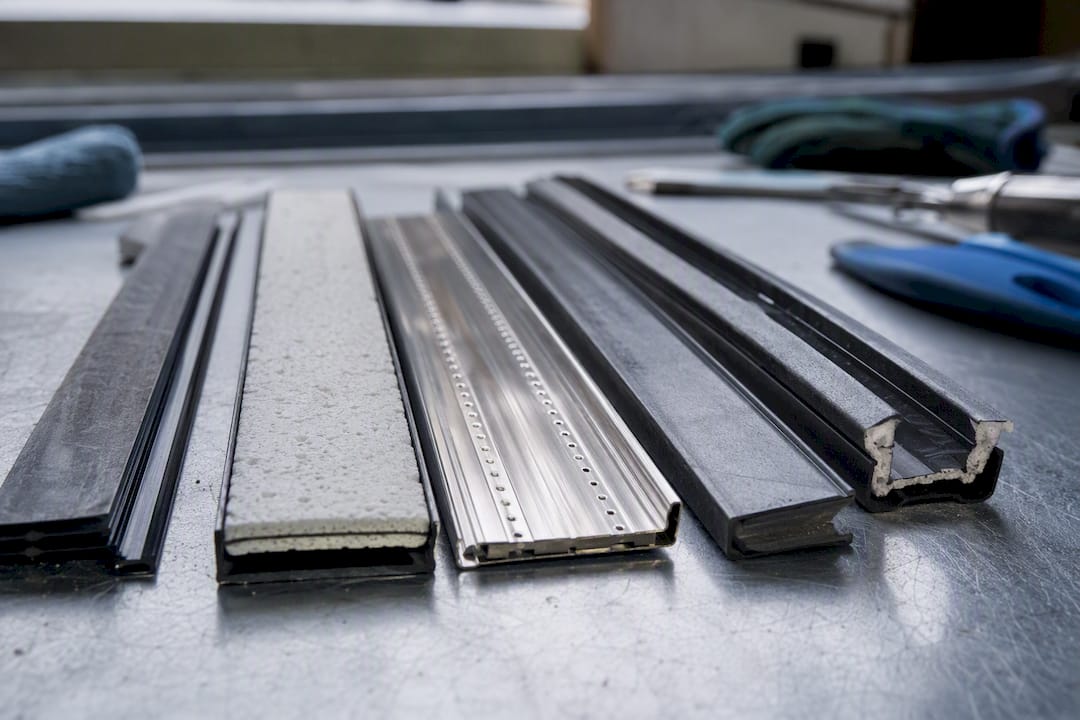
- Aluminum box spacer: the oldest, cheapest, most conductive option, still common in low-cost replacement windows.
- Galvanized steel spacer: similar conductivity profile to aluminum, occasionally used for extra rigidity in larger units.
- Stainless steel warm-edge spacer: thinner wall, lower conductivity than aluminum or galvanized steel, a common upgrade path.
- Thermally broken (hybrid) metal spacer: combines a metal core with a plastic or composite thermal break to cut conductivity while keeping structural strength.
- Flexible foam warm-edge spacer: a structural silicone foam that acts as spacer, primary seal, and moisture barrier in one, with the lowest conductivity of the group.
- Thermoplastic spacer (TPS): an applied warm-edge system extruded directly onto the glass, popular in Europe and increasingly in North American commercial glazing.
| Spacer type | Thermal conductivity | Condensation resistance | Flexibility / shape memory | Structural rigidity | Typical field durability |
|---|---|---|---|---|---|
| Aluminum box | High | Low | Low | High | Moderate, shorter in cold climates |
| Galvanized steel | High | Low | Low | High | Moderate |
| Stainless steel warm-edge | Moderate | Moderate | Low | High | Good |
| Thermally broken hybrid | Low to moderate | Good | Moderate | High | Good to very good |
| Flexible foam warm-edge | Low | Best | High | Moderate | Very good |
| Thermoplastic (TPS) | Low | Good to best | Moderate | Moderate to high | Good, varies by manufacturer |
Budget builders lean on aluminum. Homeowners doing an energy-focused replacement usually land on stainless or foam warm-edge. Large commercial IGUs often need the rigidity of a hybrid or TPS system to handle bigger glass sizes without sagging.
Weighing the Tradeoffs of Each Spacer Family
Every spacer material trades something for something else, and the right pick depends on what you’re actually worried about: condensation, cost, or structural span.
- Aluminum: cheap and widely available, but its high conductivity makes it the most likely to fog or frost at the edge in cold climates, and it tends to have a shorter effective service life where winters are harsh.
- Stainless steel warm-edge: a real step up in conductivity over aluminum while keeping most of the strength, though it’s still more conductive than foam or TPS.
- Flexible foam warm-edge: the strongest condensation performer, since manufacturer and technical testing point to notably lower thermal conductivity and better edge temperatures than metal spacers, according to OSTI technical resources on spacer performance. Foam also has shape memory that helps it flex with glass expansion, though very large units need a design specifically engineered for that extra span.
- Hybrid and TPS systems: a solid middle ground of rigidity and thermal break, useful for bigger commercial units, but performance varies noticeably by manufacturer, so specs matter more than the category name.
Pro Tip: Don’t judge a spacer by color alone. Black warm-edge spacers can be foam, TPS, or a coated metal hybrid, and the material underneath the finish is what actually determines performance.
How Seal Systems and Desiccant Affect Spacer Lifespan
Not all edge seals are built the same. Single-seal IGUs rely on one sealant layer, which industry literature flags as less durable for gas-filled units. Double-seal systems, pairing a PIB primary seal with a structural silicone secondary seal, are recommended for better long-term gas retention, according to the same edge-seal review.
Desiccant matters just as much as spacer material. Once it saturates with moisture, even a top-tier foam spacer will show fog, because the desiccant simply can’t absorb any more.
Watch for these signs on existing windows:
- Persistent haze or fog between the panes that won’t clear.
- A noticeably colder feel near the glass edge compared to the center.
- Visible spacer discoloration, gaps, or sealant cracking at the corners.
Manufacturers often cite results from accelerated aging tests, including P-1 chamber cycling, to show foam warm-edge spacers hold up better against UV, heat, and humidity swings than some metal options, per NFRC’s guidance. If fogging has already set in, the fix is a new IGU, not a cleaning trick.
What to Ask Before You Choose a Spacer System
Specifying the right spacer comes down to matching material to project, not just picking the cheapest line item.
- Set your performance target first. Decide whether condensation resistance, structural span, or budget is driving the decision, since that determines which family even makes the shortlist.
- Confirm unit size and climate exposure. Larger commercial IGUs need rigidity a soft foam spacer alone can’t always provide without added design support.
- Ask for test documentation. Request warranty terms and accelerated aging data, such as P-1 chamber results, rather than taking durability claims at face value.
- Confirm Low-E edge deletion. Ask whether the Low-E coating is deleted where the secondary seal contacts the glass, since skipping that step weakens the bond regardless of spacer quality.
Pro Tip: Get the spacer material and seal type in writing on your quote. “Warm-edge” alone isn’t a spec, it’s a marketing term that covers everything from basic stainless to premium foam.
Retrofits with major frame damage or repeated seal failures usually call for a full professional replacement rather than a simple glass swap. Reviewing overall window lifecycle costs helps put a better spacer’s upfront cost in perspective.
What Installers See on Retrofit Jobs
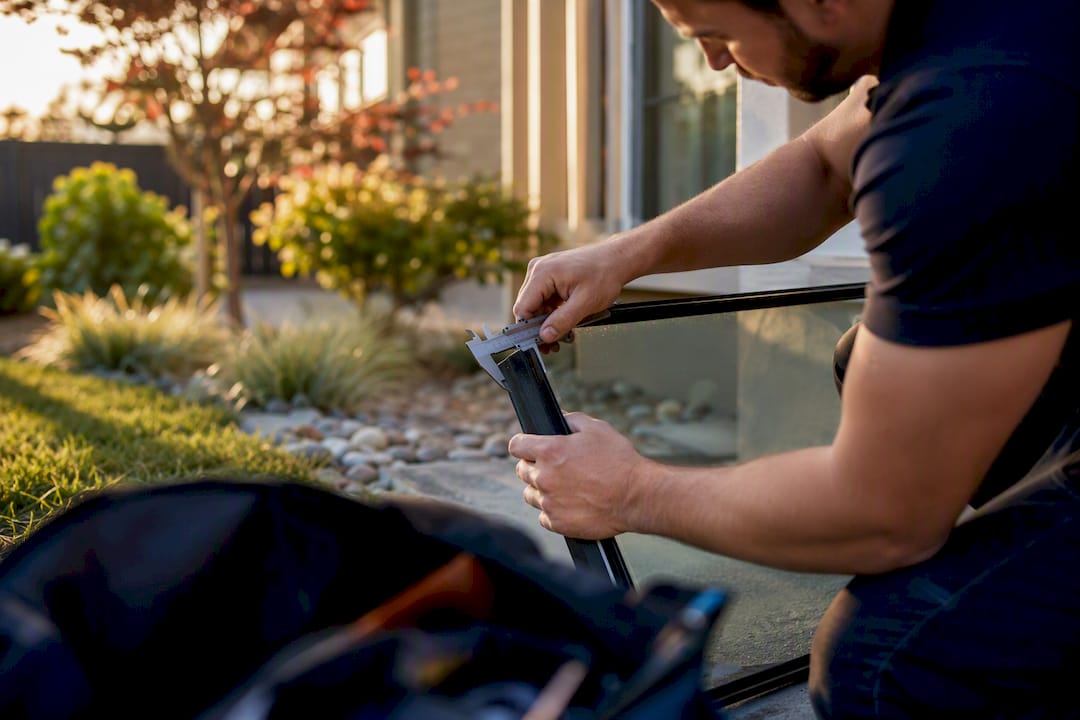
Swapping spacer types isn’t always a drop-in change, and professional window glass repair services often handle these complexities to ensure proper fit and performance. IGU thickness and frame tolerances often need rechecking before a warm-edge upgrade fits properly. Installers also examine desiccant condition, Low-E edge deletion, and sealant compatibility before recommending a path forward. Persistent fogging almost always means the seal has failed, and a replacement IGU with an upgraded spacer is the practical fix, not a repair.
A Practical Note From the Field
The biggest mistake we see buyers make is chasing the lowest sticker price and ignoring what’s inside the glass unit. Two windows can look identical and perform completely differently at the edge. If condensation is your concern, choose warm-edge foam or a well-tested hybrid, and for larger commercial units, loop in an installer before you order anything.
Get Your Spacer System Evaluated by Star-ws
If foggy glass or cold edges have you wondering what’s inside your windows, Star-ws gives Kansas City homeowners, property managers, and contractors a direct path to answers instead of guesswork over spacer specs. As a local provider handling everything from fogged IGU swaps to full commercial replacements, Star-ws can inspect existing seals, identify spacer material, and recommend warm-edge upgrades suited to your climate and unit size.

Services relevant to what we’ve covered here include fogged glass and IGU replacement, frame and wood rot repair for units where retrofit constraints rule out a simple spacer swap, and commercial window replacement for larger IGUs that need rigidity a basic spacer can’t provide. Property owners weighing whether a spacer upgrade pays off also find our breakdown of window lifecycle costs useful for budgeting. Request a free estimate and let Star-ws inspect your current seals before you decide what to replace.
Frequently Asked Questions
What is the best window spacer type for reducing condensation?
Flexible foam warm-edge spacers generally offer the best condensation resistance because they conduct the least heat at the glass edge, followed closely by well-engineered hybrid systems.
Are aluminum window spacers bad?
Not bad, just less efficient thermally. Aluminum spacers work fine in mild climates or budget projects, but they’re the most likely to show edge condensation in cold weather.
How do I know what spacer type is in my current windows?
You generally can’t tell by looking through the glass. An installer can identify the spacer material during an inspection, often alongside checking desiccant condition and seal type.
Do warm-edge spacers cost a lot more than metal spacers?
Costs vary by manufacturer and unit size, but the difference is usually modest compared to the overall price of a new IGU or window, especially when weighed against fewer condensation problems down the road.
Can I replace just the spacer without replacing the whole window?
Sometimes. If the frame is sound and tolerances allow it, an IGU replacement with an upgraded spacer is possible. Fogged glass with a failed seal almost always requires a new insulated glass unit rather than a spacer-only fix.
Sources
NFRC’s consumer spacer guidance covers policy-level recommendations on warm-edge performance. The eScholarship review of window spacers and edge seals offers a deep technical breakdown of materials and seal geometry. OSTI’s technical resource on spacer performance provides testing data behind foam warm-edge durability claims.